



Enter to win a prize package worth over $1700 now by subscribing to our new channel on youtube. Click HERE to enter
Welcome to a truly inspiring episode of the Fresh Start Family Show, where Wendy sits down with the remarkable songwriter and artist development coach, Heidi Rojas. This conversation is a deep dive into the transformative power of music and singing in the parenting journey. Heidi shares her story of evolving from a passionate music lover to a beacon of empowerment through her craft. Her viral lullaby, created in response to her son’s separation anxiety, beautifully illustrates how music can soothe a child’s fears and become a tool for emotional regulation.
In this heartfelt episode, Wendy and Heidi explore the vital role music plays in fostering emotional literacy, particularly in boys. They dive into how Heidi’s belief in the affirming power of song has led her to create music that not only entertains but also educates and uplifts. Her insights into how music can be a powerful force in family life will leave you inspired to bring more melody and connection into your own home. This episode is a must-listen for anyone who wants to discover how singing and music can build stronger, more emotionally resilient families.
What if you could be an effective, firm & kind parent WITHOUT relying on fear, force, bribery & rewards?
Imagine learning a new way of firm (AND kind) parenting so you can end painful generational parenting cycles and create family legacies & memories YOU are proud of?
All while getting your kids to cooperate with your rules and boundaries with ease.
IMAGINE …
Parenting your kids with calm & confidence each day in a way that causes them to do what’s asked of them because they WANT to (not because they HAVE to) … because you’re helping to build essential life skills that have them behaving well & being respectful when you’re NOT looking!
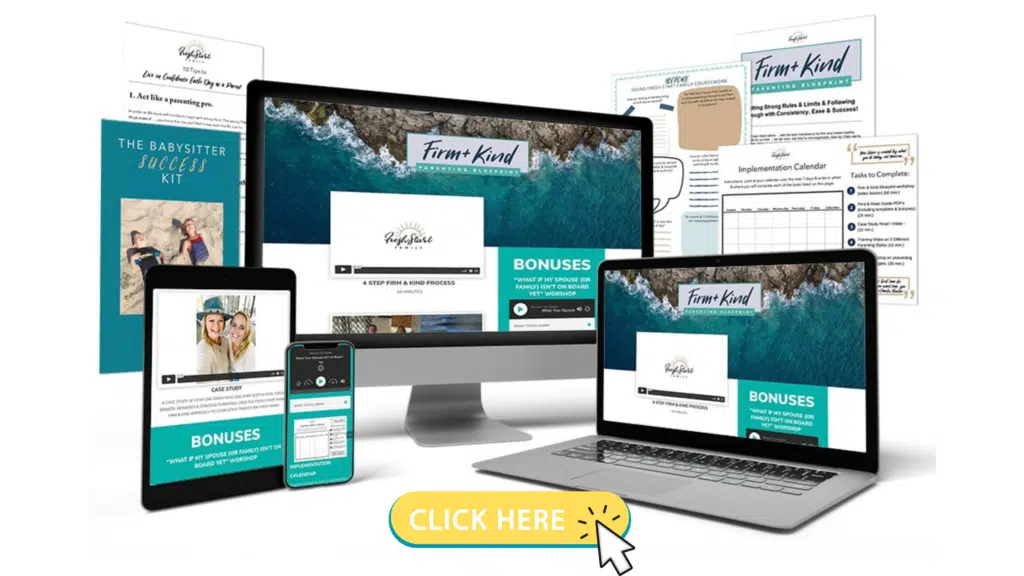
The Firm & Kind Parenting Blueprint is your step by step plan & video training to help you build the family of your dreams. Click HERE to learn more now!
Episode Highlights:
- The Healing Power of Music: Music and singing help process emotions and provide a non-verbal outlet for children to express their feelings.
- Emotional Regulation Through Music: Singing and music can be vital tools in calming the nervous system and co-regulating emotions, especially for boys who are often discouraged from showing vulnerability.
- Integrating Music into Daily Parenting: Incorporating songs and dance into daily routines can create a more connected and emotionally expressive family environment.
- Creating Inclusive Soundscapes: Heidi Rojas produces music that families can enjoy together, emphasizing positive messages and avoiding explicit content.
- Somatic Movement and Healing: Somatic dance can unlock emotional blockages and bring about healing by allowing the body to move freely in response to music.
Resources Mentioned:
Follow Heidi on Instagram
Catch Wendy & Heidi’s IG Live and Heidi on Wendy’s IG LIVE
Check out her website
Watch Heidi’s viral Feelings Song Post on IG
Don’t Miss Madre Creator
Watch this episode on YouTube!
Not able to listen or prefer to read along? Here’s the transcript!
0:00:02 – (Wendy): Well, hey there, families. And welcome to a new episode of the Fresh Start Family show. I’m your host, Wendy Snyder, positive parenting educator and family life coach. And today we have miss Heidi Rojas on the show, who is the most incredible songwriter and artist development coach, and we are going to be talking about how we can harness the power of singing and music as parents. Welcome to the show, Heidi.
0:00:29 – (Heidi): Thank you. Thank you so much. I’m excited.
0:00:32 – (Wendy): Yay. I am so excited to hang out with you for the next hour because you’re amazing for a million different reasons, but you’re also just so much fun. I feel like we’re kindred spirits. You’re very fun.
0:00:43 – (Heidi): Thank you. I just. I’m just out here having fun, you know, with no absolute. No agenda whatsoever other than to just, like, get my sillies out, because these kids are. They’re lovely, but they’re also, like, wild and crazy and draining and all of those. So I just need to have, like, my time to just do what makes me feel alive. And it’s always been music. So here I am.
0:01:09 – (Wendy): So cool. I just ended a podcast episode where he said the funniest term. He said, you know, our kids are, like, chaos wrapped in skin. And I was, like, so funny and so true sometimes, especially when they’re little, right?
0:01:22 – (Heidi): Yeah.
0:01:23 – (Wendy): You have littles. Is that right? Are yours really little right now?
0:01:25 – (Heidi): Oh, yes, they are. They’re three and five.
0:01:28 – (Wendy): Aw, such a great age. Mine are almost three years apart. I found this work when Stella was four. No, no, no. Yeah, Stella was four, and my little guy had just been born. She was maybe three and a half. So mine are about three years apart. But that is a precious stage of life, and it also is very, very tiring. So, yeah, I can’t wait to talk more about this. Heidi, your work is so inspirational and moving, and, of course, the way I found you is, like, how many people have found you when that beautiful lullaby or anthem that you created for your little boy went viral and I found you and was just instantly moved to tears, listeners.
0:02:13 – (Wendy): This beautiful lullaby that I’m gonna actually sing, if you’re okay with that later. I’ve gotta, like, warm up to this conversation, but we’ll get there is the catchiest, most beautiful love letter that Heidi wrote to her little boy, I believe, after he had some really bad separation anxiety at preschool one day, right?
0:02:35 – (Heidi): Mm hmm.
0:02:36 – (Wendy): Yeah, yeah. And, oh, and I just related so much because a. This song is beautiful. You’re the most talented songwriter and singer, and then. But my little guy, so my daughter is my strong willed one, really the reason why I got into this work and did a full, like, 180 in our parenting walk and learned how to do things differently and broke all the cycles. But then my little guy, he’s, like, so different. He’s the opposite of the strong willed. He’s, like, more very tender, and he struggles with a little anxiety here and there.
0:03:05 – (Wendy): And he had the worst separation anxiety for years. He used to climb the chain link fence in kindergarten and just be screaming as we walked, you know, drove away. And I was like, man, I wish I would have had this because I would have sang this to him at night. But now I’m just like, my mind’s going crazy with how much my community can use music and singing in, like, self regulation and nervous system settling and emotional literacy work that they’re doing in their home. So, before we get into all of that, Heidi, would you tell us your story?
0:03:40 – (Wendy): How did you get to where you are today? What’s your journey looked like? Why are you so passionate about having such strong. A strong voice in the world that you’re in?
0:03:51 – (Heidi): Gosh. Well, thank you. Yes. So I’m a first generation Latina. I’m very proud to be born of guatemalan and cuban immigrants, and I was raised in the Chicago suburbs. And then I moved out to LA 15 years ago by way of Baylor University in Texas and then Nashville for a couple years. I was an artist. I wanted to share my music, but I hadn’t really experienced very much as far as unpacking my childhood or healing or getting to know, really, who I was even dating. I was just very green. So I moved here, and ten years ago, I started therapy and really getting to know myself. And then motherhood really puts a mirror up against you and forces a lot of self reflection, at least for me. I was just like, okay, who do I want to be now?
0:04:47 – (Heidi): Joke. I actually am responsible for other human beings who did not ask to be here, and I owe to them to, you know, be the best version of myself. And I. And so kicked it into high gear five years ago when I became a mom to my daughter, Luna. And so. But through the last 15 years, always music being at the forefront of my passions. Like, I started writing for other artists, and that was really fun. I had a couple number ones in the UK.
0:05:16 – (Heidi): Everything that you listen that I released, you’ll hear that empowerment thread was always in there. You know, I always wanted to create positive music. And so then you cut to last year, I started writing. So now, I should say, actually, 2022. Cause last year is now 2023. So 2022. I started writing these songs, and they were about, you know, my experience being a bicultural Latina in the United States.
0:05:46 – (Heidi): Kind of always feeling like I wasn’t Latina enough or I wasn’t white enough. I was just always kind of. And so that was a song that I wrote. And then I wrote this. I went to a mama retreat that my beautiful friend put together all these, like, amazing women, and we were all like, we’re kind of starting to get back to ourselves after. Some of us, it had been a couple months, a couple years. Some of us, it was twelve years into motherhood that we were finally starting to feel like we were like a 2.0 version of who we used to be.
0:06:18 – (Heidi): And just the self doubt and the feeling guilty. There were just so much that we were battling in those conversations that I was just like, uh uh. We need to own our power. We need to recognize, like, we deserve to be like these. We’re women. We’re portals of life. So I went into her bathroom and I wrote Maddie creator, this, like, mom anthem for all of us, like this, you know, spanglish little anthem for all of us to really embody everything that we really are.
0:06:48 – (Heidi): And then, you know, the lullaby. Yeah. So my son was having a lot of big feelings, and I wrote this lullaby to help him kind of walk through. It was really just that first verse, and I sang it with my kids for seven, eight months before ever sharing it on socials, just on a spur of the moment, because he had had separation anxiety, and I picked him up early from school, and so we had that moment next to his crib. And so I just, like, he had already fallen asleep, and I just. I was like, I just want to keep. I want to hold on to this day, this moment.
0:07:19 – (Heidi): So I just recorded it for myself, kept it on my phone for a few weeks, and there it was. And so I shared it. And so the feeling song is one of a series of lullabies I’ve written for my son. All of how did I get here? Is just like, I love music, and I’ve really followed that passion through. But life has brought a creative resurgence. My children have brought a creative resurgence for me, where I know who I am now and I know what my message is. And so to empower women and families with music, with songs that we can sing.
0:07:55 – (Heidi): And I’m a true believer that, like the words off of the words from a song, they float in the room, they carry a lot of weight, and they take on a life. You know, we can. Sometimes they’ll kind of float into our ears and out, but sometimes they settle and they stay. And they can be negative words, they can be positive words, but they have. They have power. And so if I’m gonna, you know, see that as, like, waves, as, like, energy, as, like, you know, frequencies that are in the atmosphere, whether we choose them or not, like, I want to make sure that I choose songs that are affirmations, that are positive, that are going to build me up, that are going to help me create the life that I want.
0:08:36 – (Heidi): And as a millennial mom, I. You know, these artists like Dua Lipa and Olivia Rodrigo and Billie Eilish, they’re amazing, right? But they’re also, like, I could be their moms, and they’re singing about stuff I can’t relate to because I’m in a happy marriage. I have a mortgage payment, and, like, you know, childhood trauma that predates their existence. So I’m like, I think. I think we need. I need some lyrics that I relate to. So I started writing songs that I want to listen to, you know, with words that make me feel like I’m moving toward the life that I want, and so I’m the person that I want to be. So that’s kind of how I got here. I threw a few videos up, end of 2022.
0:09:21 – (Heidi): I started releasing songs last year and found an amazing community rather quickly. And I’m so honored to be. Yeah. Just on this ride, whatever, wherever these songs take me.
0:09:36 – (Wendy): So cool. And so you’re in LA now, right?
0:09:39 – (Heidi): I am, yeah.
0:09:39 – (Wendy): Which is, like, the music hub, right? It’s like New York, La, and Nashville. Is that right? For music?
0:09:45 – (Heidi): Yeah, for sure.
0:09:46 – (Wendy): Oh, my gosh. And so nowadays. So you’re mom to these beautiful two kiddos. You said three and five, right?
0:09:53 – (Heidi): Three and six, yeah, three and five.
0:09:56 – (Wendy): And are you. You’re actively writing, like, your own music and lullabies and anthems, which. That. What is that first one you mentioned called mama? What’d you call it?
0:10:06 – (Heidi): Oh, yes. Madre creator.
0:10:07 – (Wendy): Madre creator. I don’t know the lyrics yet, but I didn’t. I grabbed the lyrics for that one, but that just. The beat is in my soul, though. Like, I can just feel it. It’s so good. Thank you. We’ll make sure we put a link in the show notes, you guys, so you can go listen to that one, too. Um, but it’s amazing. So you’ve. You’ve done all this and now, like, every day, are you still writing for some. Some, like, musicians? Or are you just doing your own thing now to create, like, are you creating a little album, or are you just doing motherhood? With all of this integrated, like, what does your day to day look like nowadays?
0:10:42 – (Heidi): Yeah, it’s kind of all of the above. I mean, I’m writing for others more in this. In the artist development, like, as a coach. So I work with artists from all over the world who are really trying to do, essentially what I’m doing is just put themselves out there, be the most authentic version, like, artist. And so I help write songs. I help give feedback. I help figure out what your voice is and how you want to find your community and all that fun stuff. So it’s really more.
0:11:09 – (Heidi): I used to work. I used to write with artists on labels and trying to get the first single and trying to. It was like a music industry grind, and I’m not doing that anymore. I really just want to help. I grew up in the suburbs of Chicago with no Internet, no resources outside of who we could find at church. Right. Like, I. So I would have loved to meet somebody like me who had, you know, technique secrets and just insights that are really valuable and that kind of help you cut through the years and years and years that it can take. So I like to be a resource, you know, kind of my finger on the pulse of what’s going on in the music industry and just help to, you know, make it a little bit easier and navigating a very crazy industry. So that’s.
0:11:59 – (Heidi): And then, yeah, motherhood. And then how I. How I can fit this creative. You know, at first, it was just this, like, passion and hobby. But 2024, I’m really manifesting this, becoming, like, a real, like, I feel like I am. I’m Heidi Rojas, and I have something to say. And I have more. I have so many more songs. I have so many more songs, wendy, and I do you? And I genuinely feel like each song is a movement. It’s not just, like, a good song. It’s like, mari creator is a movement for women.
0:12:35 – (Heidi): The feeling song is a movement for emotional and regulation and growing more of an intimate connection with our kids and our inner child. And just. I see it in school curriculums. Like, I’m very serious about each of these songs that I’m putting out, being part of a revolution so that we can all grow. And so I’m really trying to be intentional in where I put my energy when I’m not with my kids. And so, yeah, it’s kind of just all of the above.
0:13:09 – (Heidi): But I am. I’m writing just as inspiration comes. And, you know, the other day, my daughter, she’s having bad dreams. And so she asked me the other night, she was like, mommy, why does our brain tell us bad stories? And the way that. It’s such a beautiful question because it’s so innocent, but it’s also, like, really cutting to the chase of, like, because I ask myself all the time. I’m like, I can meditate. I can manifest. I can tell myself mantras. I can do. And then sometimes, like, this negative thought about myself will sneak in, and I’ll be like, what?
0:13:39 – (Heidi): Where did this cut? Like, why? You know? But it’s. And of course, I have, like, a ton of experience. I have trauma. I have triggers. I have all these. But, like, she’s four. She just turned five. Like, what does she have to, you know, that could possibly, like, interfere in this, like, beautiful, innocent mind? But even her brain is. Is, like, challenged with bad stories, right? So how, you know, like, why does that happen?
0:14:08 – (Heidi): And how can I equip her? So I said, come here, sit on my lap. Let’s write a song together. And so I just started singing. I was like, okay, what am I. Like, I’m gonna sing, or I’m gonna think happy thoughts. I’m gonna think, or I’m gonna dream happy dreams. Cause I decide what lives inside of me, right? And then it goes. Learning to dream is like riding a bike. We get better and better at it every time.
0:14:39 – (Heidi): And then I’m gonna sing happy songs. I’m gonna dream happy dreams because I decide what lives inside of me. And I just. You know, it’s just, like, I want her to know that she can decide if she keeps that thought or if she sends it away, right? And so. And I. And it’s. We’re learning to dream. We’re just trying to. We’re just. She’s just figuring it out. I’m just figuring it out. And so we’re gonna get better and better at it if we don’t, like, beat ourselves up and pressure ourselves to be like, why are you thinking these bad things?
0:15:10 – (Heidi): Because, you know, the only thing worse than having a negative thought is being. Is having a negative reaction to the thought and not giving ourselves the grace and the compassion that we deserve when we’re experiencing it is just like. And then, you know, feeling empowered to, like, okay, I actually can send you away because I decide what livest inside of me. So, like, that was this precious moment that now every night we sing that song and other things that come up with these kids, right. That I’m like, okay, we need to write a song about that.
0:15:44 – (Heidi): Okay, let’s write a song about that. And, you know, just even in anticipation of her going into 6th grade, because 6th grade was, like, the worst year for me ever, I had one. I had one friend, and I used to eat lunch in the bathroom stall. So I wrote a song to my 6th grade selfdevelop, and I’m singing it to them in anticipation of kids being mean, you know, so that they can identify it right away and know, you know, like, exactly what to do.
0:16:14 – (Heidi): Because I didn’t. I just didn’t know. I didn’t have those tools. And it’s not that my parents didn’t teach me self, you know, self esteem. I had excellent self esteem. It is like, home life does not always prepare you for how cruel kids can be. And so that, you know, like, I think there’s multiple songs I could write just about that. So, yeah, just, like, living life with my kids brings on so much inspiration, and so I’m constantly writing and recording and then hoping to release and all.
0:16:48 – (Wendy): Of that, and, oh, my gosh, it’s so beautiful. I have a million questions and thoughts, but before I get into them. So, for an artist like you, does that look like compiling everything, like, of someone who writes a book to release a book? Or. I know it used to be like, you release an album, is that a thing nowadays, or is that not a thing anymore? Like, you release song by song. Do you, like, would a record label consider. Cause this. You’re right. Like, I am 100% on board that the world needs this. This. Like. I mean, I’m gonna sing it. It’s gonna be amazing families. But when you hear Hades sing it and when you watch this reel, like, you will be moved to tears.
0:17:24 – (Wendy): It is just. It is powerful. And if every family across the world had the courage and the confidence and just the lightheartedness to bring more music like this and more songwriting into their family and their parenthood journey, and, like, all the things we’re going to talk about, why it’s so amazing, but the world would be a different place, right? So it’s like, how do you find someone to pick you up? Like, is that a thing? Or is it just self produced nowadays where you’re like, you’ve created your own big community now to support you? How does it look for someone like you?
0:17:57 – (Heidi): Yeah, that’s a great question. I mean, it’s like I’m trying to ask myself every day. I’m like, okay, I mean, right now, I’m my own. I’m my own everything, Wendy. I’m manager, my own agent, my own this, my own hype grow. You know, my mom and my husband. Like, I have a support team here, but I, like, you know, I’m doing it all. And so I’m trying to navigate those questions, too. I. Yeah, like, the traditional ways, like, you sign a record deal, you know, but record labels are, you know, they’re the ones who. Who told me at 27 that it’s too late. Like, yeah, you know, it’s too late to be an artist. Like, I would. Like, I’m this washed up old, late, old lady who has nothing to say when in reality, ten years later at 37, which is how old I am now, I actually.
0:18:42 – (Heidi): I have found my voice. I know I have something to say. And I had this, like, hunch that there were a lot of other people who could relate to what, you know, I. My message. And so. So, yeah, I’m just. I’m completely independent. And just as far as, like, putting together an album, I think the album would be more for me to just, like, put a collection of my work together, whether that’s like an ep of lullabies and then, like, an album of empowerment anthems. I’ve considered that. Or I’ve also considered them just being a part, like, a collection together because I can’t have. I can’t have the empowerment anthems without the lullabies because they kind of all.
0:19:23 – (Heidi): They’re all me and they all came together. So, like, maybe it’s just like an album together. I don’t know. The album is more for me to have, like, my collection that I leave to my kids. Right?
0:19:35 – (Wendy): Like, my collection of work.
0:19:36 – (Heidi): But really, it’s all about, like, singles. And so, like, if I put out a single every six weeks, which, like, first week of February, my next single, magic room, comes out, and that one’s kind of like my manifestation mantra, you know? It’s like, if your spiritual bestie was to, like, tell you, like, how great you are. Yes. That is that song, you know?
0:20:00 – (Wendy): And it’s so good. It’s the one I’ve heard you, like, have a little bit on Instagram. On insta, right? Like, amazing.
0:20:07 – (Heidi): Thank you. You want to write a book? Write a book, start a podcast, go to law school. And these are all the kind of things that I want to do. Like, I want to start a fashion line. I want to, you know, like, all of the. I want to do all these things and to say that out loud. As a, you know, woman in her late thirties, to say that out loud, it’s like. It feels rebellious because society has told us, like, be a mom. And you get those. I get those comments on madre creator. I get those comments on these songs sometimes that are like, yeah. People being like, go back to the kitchen or do da da. There is a. There’s a very old school mentality out there still, but there’s also, you know, women are also just. This is the time for us to just take the power and run with it. So, so good. Have you.
0:20:55 – (Wendy): Have you? I don’t know if you have or not, but I just finished a book called lessons in chemistry. It’s actually our book club this month, and then Apple did a series on it, and Brie Larson is the actress, and, oh, my gosh, I was, like, dying at the end. I can’t tell you the end, but basically, it’s very similar to what you were just speaking about. Like, if you want to be this, she’s, like, a woman chemist in the fifties and, like, the adversity she faces and does it with just such.
0:21:21 – (Wendy): Just awesome, empowered vibes and just the way she raises her daughter and she loses, blah, blah, blah. But it’s just. It would be a really good one for you to read or at least watch the apple series. And for everybody who is like, yeah, if you want to write a book or become a lawyer, or she speaks to someone in the later parts of the show where they want to become a doctor, and they’re like, well, we can’t do that. And she’s like, yes, you can, or no, it was a lawyer, maybe. And she was like, no, here’s how you do it. You go to school, you get a loan, you take the end stats or whatever the test is.
0:21:54 – (Wendy): Like, in that moment, I was just, like, emotion came over me, and she’s just looking her straight in the eyes on this television show, and the woman’s just like, but I’m, like, 30 years old, you know? And she’s like. And so, yeah, it’s really good. Highly recommend that. That book and that show to everyone listening. Lessons in chemistry. I love it. And I love. I love the idea of, like, this songwriting for everybody, right? So it’s like, yes, please, please create that album. Because the world. Both of those albums, Heidi.
0:22:27 – (Wendy): And also, just the act of, like, sharing this message with the world, I feel like, is so powerful just to teach families how to bring this into. Because I would guess most people think that they’re incapable of, like, writing songs or poetry and singing. Right. But, like, really, like, you’re in your house and the image of you sitting. Having your daughter sit on your lap and just be like, okay, we’ve got some emotions here. We’ve got some questions. Let’s just write a song.
0:22:58 – (Wendy): And letting yourself feel empowered to do that. Like, I can just sense how much empowerment that gives you as a mom. Right? Like, we’re all. All humans are trying to feel powerful, and we either do it in healthy ways or unhealthy ways. When we scream at our kids and we feel so much power because we put them in their place, that’s, like, an unhealthy way to feel powerful. And we sit with our daughter and co write a song that helps her get to sleep and wake up in the morning with a different dream. That’s, like a healthy form of power that we’re learning to.
0:23:28 – (Wendy): And so I can just see it’s being so good for parents, so good for the children, and then it’s just. It’s just all so good. So.
0:23:36 – (Heidi): Yes, thank you. Thank you. That’s inspiring.
0:23:39 – (Wendy): Okay, well, let’s talk a little bit about this idea of harnessing the power of singing and music as parents. The first thing let’s talk about is how music and singing can help us process emotions, especially for our boys. And so this song that you wrote for your son, essentially about emotion, emotional processing. And I guess I’ll just sing it now. Okay. I can hear everyone singing. Just sing it, Wendy.
0:24:11 – (Heidi): Sing it, Wendy.
0:24:13 – (Wendy): And so everyone can actually hear this because people are probably like, what are we talking about here? And I’ve never sung on a podcast. I do not sing people. I sing at church. I love singing, but I do not sing. But I just kind of want to model what it looks like to. Who cares? I don’t care. I don’t care. And I think my voice is okay, but I just want to sing it. And I’ve listened to this many, many times, and I feel like it’s such a sticky, beautiful song. Like, that’s what’s so trippy about music to me, is that it really sticks. Like, it’s easy for some reason to remember.
0:24:47 – (Wendy): And with a lot of stuff, it’s not right. Like, I will teach families, like, a four step process to setting firm limits and following through with consistency or disciplining with compassion. We teach something called the four r’s, and it can feel so hard to remember. But then you put it to music. Like, we’re an advertising and marketing family. Terry, my husband, is like, in it, too. And now my daughter wants to go to marketing or major in marketing in college. But we’re always joking that if you put a jingle to it, like, you are going to remember that brand’s message. Right. So it’s something that’s so interesting about music to do that. So I’ll just sing it. Okay, here we go. This is the feeling song by Heidi Ross.
0:25:29 – (Wendy): Okay. When you’re sad or afraid let’s talk about it let’s talk about it. So it doesn’t sit all alone in your heart when you’re sad or afraid let’s hug about it let’s hug about it so it doesn’t sit all alone in your heart when you’re sad or afraid let’s sing about it let’s sing about it so it doesn’t sit all alone in your heart when you’re sad or afraid let’s breathe about it let’s breathe about it so it doesn’t sit all alone in your heart?
0:26:10 – (Wendy): So it doesn’t sit all alone in your heart? So it doesn’t sit all alone in.
0:26:15 – (Heidi): Your heart oh, my goodness. That was beautiful.
0:26:22 – (Wendy): I love it. I love it. Thank you. And you know what’s cool, Heidi, is I’m learning more about nervous system regulation. I’ve been, like, really entrenched in that the last few years. I’ve been coaching parents and immersed in my own growth journey as a mom now for 13 years. But I’m just now, like, diving deep into, like, nervous system regulation stuff. And I’ve learned that singing is actually, like, one of the ways we can, like, calm our nervous system.
0:26:54 – (Wendy): Rocking. There’s rocking, there’s dancing. Right? There’s, like, hugging or, like, there’s all these things, but, like, singing or humming. And so I actually have been trying to sing a little bit more, even if I’m by myself and just hum or something. Especially if I’m, like, rushing between meetings or something. And it’s just been really fun to, like, incorporate new things. And so that, what a wonderful opportunity to practice that right now. So thank you, everyone, for listening to my non trained voice.
0:27:25 – (Wendy): But those are the lyrics of Heidi’s song that you get to think, you know, feel into as we’re discussing this. So, again, when you’re basically, when you have an emotion, let’s talk about it. Like, so you don’t. It doesn’t sit alone in your heart, whether it’s, you know, you’re sad or afraid, whatever it may be, like, let’s sing, let’s talk, let’s hug. Let’s breathe. Essentially, the message is, like, you’re not alone, and this emotion deserves to be held and honored and put into the light. Essentially, I feel like, is the essence of this beautiful song.
0:28:01 – (Wendy): So, with that said, let’s talk about how the singing and music can help us process emotion, especially for all kids, but especially boys. Talk to us. Riff on that for a minute, Heidi, please.
0:28:13 – (Heidi): Yeah, yeah. I think it’s so my son, particularly, because I think. I mean, I’ve touched on this in some of my videos about the song, is that society tells boys, particularly, that they need to be, like, this certain tough guy. And so somehow, you know, their emotions are just shut down at a really young age, and they’re just given, like, a bunch of really intense and aggressive toys, and you just kind of, like, almost, like, lose access to the sensitivity in their. In their hearts and their, you know. And so I wrote it. I wrote the song specifically for him because I could start to.
0:28:57 – (Heidi): He was two, and I could see he had this, like, whole new face. Like, he turned two, and all of a sudden, his face, when he would get mad, was like. Like, just like you’re biting down on something really hard, you know, just like. And his body would get, like, really tight. And so I knew he was experiencing, like, rage, like, man, you know, like, anger. And this is my sweet, sensitive, like, soft little boy for two years that I’m like, oh, no, we’re not gonna let that fester in there. Right?
0:29:31 – (Wendy): Yeah. Not suppress it. Not like it stuck.
0:29:34 – (Heidi): No. We’re gonna give him the tools to make sure to get that out. Right? And so I would get down to eye level. I would sit on the floor with him and be like, okay, tell me how you’re, like. Explain to me what you’re feeling. I can see that you’re very upset. What are you feeling? And we would just, like, kind of talk it through and process it. And then there was this one time where he was in his crib, and he was, like, super mad, and I just laid next to him, and I started kind of singing the lyrics of that. Of that. What you just saying?
0:30:03 – (Heidi): Just to try to, like. You know, I. I think that. So, Melody, there’s a reason why people meditate, right? And there’s a reason why we go, um. Because the vibration in our body, there’s a. You know, like, when you go to a sound bath, the reason why it’s so, um. It’s so. It just feels like a. It’s like a massage for your insides is because the water in our body, which we’re made up of, like, I think it’s like 80% at least. Water is vibrating.
0:30:33 – (Heidi): Yes, from the sound. So you’re like, literally getting a massage because the water inside of you is vibrating. So then you. So anytime that you’re like, um, the vibration is what is calming. It’s. And so that’s what singing is, essentially, is just a melodic vibration. And so you put lyrics that are meaningful or even, like, when I was in fifth grade, I used to. Or all through junior high, I used to, like, make up songs to try to memorize the stuff. I knew I was getting tested on the next day so that I could be like, yeah, I would be like, uh, you know, like, I don’t even. Can’t think of, like, algebra, some sort of an equation. And I would just, like, make up the rules, you know, to a melody and sing it in the te, during the test. And, and so, you know, a melody has power, but then when you put lyrics and you sing it, you know, passionately, like, the vibration can really just create this, like, healing impact that not a lot of things in our everyday life actually ever do. And so, yeah, that’s where I was, like, obviously, I.
0:31:41 – (Heidi): Music is my favorite form of expression. I feel most eloquent and most confident in sharing, talking through my songs, letting them speak. And so then, so, yeah, I incorporated that with his, his needs as. And then thought, you know, like, maybe this is something that other people can experience. Because the reality is that boys are told to be called, you know, be a man, you know? And it’s like, actually, he doesn’t know how to be a man.
0:32:15 – (Heidi): He’s nine years old, like, he’s a boy. And he’s, you know, he has feelings just like any, a girl or anybody else. And so, you know, to, like, it’s important to process them. There’s a reason why four out of five suicide deaths by suicide are men. Because there is.
0:32:34 – (Wendy): Dang, I didn’t know that stat.
0:32:36 – (Heidi): It is. It’s really sad because it’s that I think, you know, as a society, we are failing them in their, in giving them a space to feel safe, to share how they feel, just what they’re afraid of. So sad and afraid. We don’t let them feel those things. And so then they grow up to be men who suppress and who don’t tell, you know, that they’re, like, combusting about to explode inside. And then, you know, it comes out in different ways. It. And they’re. Whether it’s harmful to themselves, or harmful to others.
0:33:09 – (Heidi): And so it’s like sad and afraid. Those were, like, the two main ones that I feel like. I feel like for women, the opposite of that. It’s like angry and aroused. I think those are the two feelings that we’re not really allowed to express.
0:33:21 – (Wendy): Yep.
0:33:21 – (Heidi): That we’re told, like, don’t be, you know, don’t be aroused. Don’t be sexual. Don’t be like, be just like, yep. Clean and proper. And then don’t ask, you know, don’t get angry. Anger is not, you know, we’re not feminine. Be feminine. Be polite. Exactly. And be respectful. Right. So. And just be grateful. The America for speech in Barbie. Right. And so that brings me to tears. Oh, my goodness. Yeah, that’s the movie. The movie could have ended credits right there at the end of that one.
0:33:57 – (Heidi): That scene. But so, yeah, creating space for a boy to work through and co regulating their feelings with them, I think, is some of the most life, you know, like, world changing work that we can do. Men start wars. You know, women start conversations. There’s a reason why we have, you know, we have all the capacity to feel just the same way every, every gender. But the way that we experience it and express it and process it is totally different because we’ve been given different tools. So now, you know, and I get comments, Wendy, that I have to delete because they are very, they’re like, you are handicapping your kid.
0:34:47 – (Heidi): This is how you make a soft, like, you know, sensitive mama’s boy. Like so many people that are just, like, triggered by me holding space for my son to feel. And. But it’s. Because it’s been ingrained. There’s different cultural expectations. There’s different, you know, and so not everyone’s going to be able to jump on board to a new idea. Right. And so, but it’s. The fact that it’s, there. There’s statistics, there’s. It’s.
0:35:18 – (Heidi): It’s important. There’s a need. And these young boys deserve, you know, they deserve the resources and the mind, you know, just like grown ups who can walk them through those feelings. And that’s the kind of grown up I want to be for my kids and for others around me. And so it’s been an honor to share the song and for it to. I get messages every day that this is our new family anthem. This is our, you know, this is a part of our nightly routine. This is a part of, you know, this and, like, specific stories where the kid was, you know, when a child was like, super dysregulated. And then they started playing the song, and then they ended up in their arms crying, like, yeah. And I’m just like, those, you know, you link those experiences together, and those are the waves that change the world. And I’m just so honored to be a part of it.
0:36:14 – (Wendy): Oh, my gosh. I just want to weep. It’s so good. Oh, my gosh. Okay, Heidi, have you ever seen. Have you seen yet the film, the documentary, the mask you. The mask you live in, or the mask we live in? I think it’s called the mask you live in. Have you seen it yet?
0:36:31 – (Heidi): No. I’m gonna write it. I’m gonna write it down in chemistry. Down. I’m going to write this.
0:36:35 – (Wendy): The mask. Yeah, it’s called the mask you live in. And it was wild. Like, I was so surprised. I’m blindsided. So we interviewed. We had seen that movie, actually went to a speaking panel where I saw some of the most insanely talented athletes, including Tony Hawk, which is obviously, like, a huge skateboarder at a really cool school here, where they showed the film and then had this thing. Incredible panel of men.
0:37:01 – (Wendy): But we interviewed the. I think she’s the director. Name’s Caroline Feldman or Heldman. And she was amazing. We had such a great conversation. She’s made some really cool documentaries, and we. Terry and I, it’s such a good talk, right? And it’s just all about basically what you just talked about, right? Like, of the disservice that we’ve done to men. And that stat around suicide is nuts. Like, it makes so much sense now that you break it down like that.
0:37:23 – (Wendy): But we just had this most beautiful conversation around, like, healthy masculinity, right. How to teach our boys how to feel and the. The beauty that it brings to the world. All the things. And I released that podcast episode, emailed it out to, like, you know, 20,000 people on our email list. And all of a sudden, within, like, ten minutes, I got those messages back of, like, oh, my gosh, this is evil.
0:37:45 – (Wendy): And I do have a ton of amazing families of faith, and many of them are finding their way out of, like, toxic, unhealthy, faith filled circles that they have been, like, messages jammed down their throat that are, like, heartbreaking, right? And, like, so not in line with Jesus. Jesus. But I help them feel safe to, like, navigate a new world and be who they want to be. And it was just wild, though. The messages of, like, you are same type of thing. Like, how dare you? This is, like, this agenda to, like, demasculate our boys.
0:38:18 – (Wendy): And I was just so taken aback because I honestly, like, did not realize that there was this world of, like, fear around teaching the boys emotions. It’s gonna. It’s gonna make them weak and permissive, and you’re just like, wow, wow. Same thing happened when we released LGBTQT affirming episode. It was just like, holy smokes. The backlash of just people who are so uncomfortable with it. So, yeah, I’m so thankful that you are spreading this message and helping parents do this for our boys. And quick story. I will say that it’s like, this is intense, this is so thick in our culture that what an honor to be beside another mom. And I know so many families listening right now who really are committed to doing things differently in their home and really putting in the work.
0:39:15 – (Wendy): I always say thank you for giving a damn and really showing up to raise the next generation of children and human souls, especially boys, in this situation, but it’s thick, and so even for a family like mine. So my little boy, he’s now 13. He was born into this work, right? So Stella was three when we found the work. We did a full 180, switched from punishment to compassionate discipline and changed the way we were communicating. Saw her in a different light, like, all the things we had to do, like, a full 180. So she experienced, like, this kind of suppressive way of life for a few years, and then we switched. Taryn was, like, born into it, and he’s always been my very tender hearted, deep feeler. So is Stella the deep feeler and just, like, whatever. But he. But essentially, he was born into it, and we are, like, committed. Right. This is what I do full time. I help families all over the world, like, we are. This is the language we speak. And I have watched how much he has struggled with emotional expression or just the feeling. Right. Because emotions don’t always have to be expressed. They do need to always be felt.
0:40:24 – (Wendy): I I’ve just watched how much. What a journey it has been for him to learn that he is safe in those moments. And I can think to a situation where he was, like, seven or eight, and he had gotten a note sent home from school, and he was talking in class or something, and he’s always been. He’s not my strong willed one. Got in so much trouble. Taryn didn’t really get in trouble, right. So when he did, it was like, oh, my gosh. And I remember him calling me up and shaking. His whole body was shaking. He was. I think he was seven or eight at the time.
0:40:59 – (Wendy): And he pulled out this note from his backpack, and it just reminded me of your story because I could see the. The tightness in his body, and he was quivering so hard, he couldn’t talk. And he handed me this wadded up piece of paper, and he was like, please don’t tell dad. Please don’t tell dad. And we are literally a family that, like, terry is, like, kinder than I am. Like, he naturally was born a positive parenter, and I had to learn how to control my anger at all these things.
0:41:29 – (Wendy): I’m like, don’t tell dad. Like, what? And so he’s shaking, and he’s like, I’m so sorry. He’s like, I talked, and she said, you have to sign this, and we have to bring it back. And of course, I was like, honey, you’re not in trouble. You’re safe here. Okay? No big deal. Like, let’s talk about it, like, what happened, you know? And finally, like, he settled right after, like, a few minutes. But the suffering in this little boy’s body and what I’ve come to realize is that he feels very scared when you say this song, if you’re sad or afraid, he has a lot of scared feeling around, like, embarrassment. Right? So if, like, I’m going to be embarrassed or you’re going to be disappointed in me or.
0:42:13 – (Wendy): And it’s interesting because daddy, like, daddy’s thing is, like, I don’t want to disappoint people. And so Taryn and him sharing that, whereas Stella and I share in some of, like, our limiting beliefs or blockages. But it’s definitely the feeling of scared. Like, I’m scared you’re going to judge me. I’m scared you’re going to be mad. I’m scared people are going to make fun of me if I go to a new sport and I’m not good, I feel scared. Right?
0:42:34 – (Wendy): So it’s been quite the journey to teach him that you’re safe when you feel scared. And when you said, heidi, that it will. I don’t know your exact words, you said something like, it’ll manifest or it’ll come out. Like, you cannot just suppress, suppress, suppress, right? Like, it does not work. And his has come out in, like, a little anxiety condition that, thank God we were able to heal when it hops up fast. But it’s like a condition where your body tells you you have to go to the bathroom fast. Like, you have to pee, and you’re going to, like, pee your pants. But really, there’s not that happening. It’s an anxiety condition.
0:43:08 – (Wendy): And so it’s just been fascinating to watch someone whose mom and dad, like Terry, has a full time job as a creative director. But, I mean, we are full time family that teach emotional literacy. And to watch my little boy still have to really go against the grain, go against culture, and feel safe in feeling these emotions. And every time that little anxiety condition pops up, and again, he was the one who had separation anxiety so bad for so many years. And when that little anxiety condition pops up now, it’s to the point where we’re able to really help him through that and understand what’s the feelings, and he’s so receptive. And then we found some really cool therapists that just help, and then it heals. Right? And so we always hope that that was, like, the last time that it popped up.
0:43:55 – (Wendy): It shows up on, like, car rides or at concerts and stuff, but it is. It’s just so important and also so thick. So don’t get discouraged, families that, you know, if you have a little boy or even a little girl, too, I mean. I mean, gosh, for girls, culture teaches us to suppress, too, or hide or not. Just know that you’re doing a great job. Just hang in there. And it’s not like an overnight thing. But I really do believe that if I would have had this modality to bring in all those years to help him be comfortable with fear, I really think it would have helped.
0:44:31 – (Wendy): Now, I don’t think I can sing this to him. If I made a rap song, heidi, he might be down. Like, he’s full blown or metal. My kids were super into heavy metal, but, like, maybe I will make a rap song about it. But, you know, once you have teenagers, they’re like, mom, you are so embarrassing. Like, everything you do. But I feel like for the first decade of their life, you could really bring this in, whether you’re playing it on Spotify or you’re singing it.
0:44:58 – (Wendy): Is your music, like, out on Spotify yet?
0:45:00 – (Heidi): It is, yeah. So that song is. The feeling song is out in English and in Spanish on Spotify, I have Maddie creators out. I’ll be releasing a drum circle version of that in March. And then I have Hifa, which is like a girl boss empowerment anthem. And then I have la Cito Sion, which is, like, the self acceptance bicultural anthem. They’re all out there.
0:45:28 – (Wendy): So awesome. Yeah, I see it.
0:45:30 – (Heidi): February. Yeah.
0:45:32 – (Wendy): Oh, so good. Okay, so we’ve talked about how music and singing can help us process emotions. Our second point that we wanted to talk about is how it can calm our nervous system. And you mentioned a little bit, you know, you explained really well. I feel like we touched on this, but if you want to add anything else to, like, why, it helps. I know I’ve seen a video of yours on, like, somatic dance of, like, integrating the body into this expression or feeling of emotions. Like, what have you found with singing and music?
0:46:05 – (Wendy): And the explanation is just so perfect about the vibrations. For me, when it comes to learning about energy work and stuff, I have to get very confused because I’m like, I don’t understand the vibration thing. But then when I see music shake my mirror. We were on our way home from surf last night, picking up Taryn from surf team, and he had his rap music on all out, and the mirrors were shaking. And I was trying to get him to look at the sunset, and I was like, look, the mirrors are shaking. Because he was like, mom, I’m too old for sunsets. And I’m like, I know, but it’s beautiful. I’m like, but look at the mirror shaking.
0:46:37 – (Wendy): And I got him to look, but that makes sense to me. I can understand that, the vibrations. Right. And I’m learning that energy is the same. But what would you say about the somatic side of this, of settling our nervous system? And what have you learned, Heidi?
0:46:52 – (Heidi): Yeah, so there’s something about this. So I’m a. I’m a dancer. I was, like, raised in choreography, and I was a dance teacher in college, and so I love dancing and choreography and all that. But there’s something about somatic movement that’s just literally free movement that is just allowing your body to respond to what it’s listening to that is just really freeing. So we, you know, I’ll turn on. I’ll do 32nd dance parties. I’ll do somatic dance parties with the kids because it’s just us, like, jumping up and down and just kind of being silly and, like, allowing our body to respond to what it’s hearing.
0:47:23 – (Heidi): And I’ve done a. I mean, I did a somatic course where we got on with, like, 15 women over Zoom, and we listened to different music, and I was dancing and just moving my body to wherever it wanted to go, like, feeling even sexy, jumping off of my bed and, you know, like, doing cartwheels and, like, it. And I was crying because I’m just like, there’s so, you know, so much of it’s like, sit up straight and dress and sit, you know, sit properly, cross your legs. Don’t, you know, oh, yeah, there’s so much that we’re told and that we tell our body to do that, it’s like giving your body free reign to just do what it wants to do. It’s just such a beautiful way of getting to know it and going, okay, that’s where we’re going. And just trusting and listening to your. Your body as if it were, like, a living thing that supports you. I mean, every day that we tell it to get up, every day that we tell it to go, get. Bring me this water there. Here it is.
0:48:21 – (Heidi): You know, like, it’s. It does so much for us, and so I think, for me, somatic movement is. It is our chance to let our body just kind of, you know, like, take over and do what it wants to do. And it’s really fun because there’s no choreography. There’s no, you know, you just play a song and you listen to. And you. And you move to it by yourself. Like, it could be really intimate and emotional because it brings up this stillness that allows us to just, like, really feel, like, set free, and I love it.
0:48:55 – (Wendy): Oh, that is such a great explanation and such inspiration to really incorporate as much dance as we can into our days. Right. Like, I can just picture just integrating this, even, like, in, like, moments of, like, really triggering moments as a parent or moments of power struggles with your kids or even tantrums. Right. Like, just knowing that music can really serve you and dancing and moving your body. Yeah. I’ve only done one somatic, I think. I think you would call it a somatic course. My friend Chrissy Powers, who is a marriage and family therapist, and she does a lot of, like, she’s a trauma informed therapist, right? So she does a lot of, like, somatic work in addition to her, like, therapy visits and stuff. But anyways, we did this class where she would just play same thing on Zoom, and she would just play.
0:49:50 – (Wendy): And I think she still does these classes. I can’t recommend them enough, but she would just play this kind of, like, tribal music. And the only rule was you had to keep moving at least a finger or, like, something had to keep moving. You weren’t allowed to just stop. And we all kind of had our yoga mats, and you just kept going, and that was what unlocked, and no one’s really saying anything. Like, maybe she said, like, a tiny bit, but it was, like, a full. I feel like we were there for, like, an hour or something for many different classes together, and that was the class that unlocked this understanding of how much, like, shame I was holding. And so that was happened to be, like, in a three.
0:50:29 – (Wendy): Like, that started, like, a three year period, and this was once I was advanced in my coaching business and teaching and all the things, and I had this, like, crazy discovery that I was, like, still holding on to so much shame things. I had never talked to my body about my c section, like, an emergency c section to birth my child alive. I realized I was holding shame about how I didn’t have a natural birth or my shoulder surgery. All these things that I was like, whoa. This information that I’m getting, I had never talked to my body in that way.
0:51:03 – (Wendy): And it all came out of just some music and moving, which basically kind of, like, it was a little bit of a dance and, like, silence or not silence, but, like, no one telling me what to do. It was just me and my body, and it was just so profound. So that really set me off on this path that now it’s, like, again, I think it’s been three or four years where I’m really, like, wow. I went from. When it comes to, like, shame reduction or eliminating shame from my life. Like, I went from, like, level zero to, like, now I’m, like, almost out of ten where it’s, like, almost fricking kicked to the curb, and it was all because of this, like, music dance thing and, of course, all the other things that I’ve done over the past few years, but that was the start of it, so.
0:51:44 – (Heidi): Yeah, that’s amazing.
0:51:45 – (Wendy): That’s my story about somatic dance.
0:51:47 – (Heidi): Amazing. That’s amazing. It is. It’s beautiful and it’s brave and it’s, you know, it’s something that is so, like, you know, there’s a lot of things and healing modalities that you have to, like, pay for and do and go places and talk to people and, like, this is, like, the one thing that you can literally just, like, put music. Close the door, and the tribal music’s my favorite. Like, I love just beats and just. No, no words even, like.
0:52:14 – (Heidi): Or just your favorite song. Just, like, letting go is really, really amazing.
0:52:20 – (Wendy): Heidi, you are such a blessing and such a light. Thank you for being here. What an awesome conversation. I know everyone listening right now is just so inspired and motivated to really. Yes. Incorporate music and dance and singing and your songs into their daily parenting. Walk into their homes, tell listeners where they can find you, where they can listen to your music, all the good stuff, please.
0:52:46 – (Heidi): Yeah, absolutely. So you can listen to me. I’m Heidi Rojas Roja. Excuse me. Sorry. Heidi Rojas Rojas and Heidi Rojas. Music on all social platforms and, yeah, I’m just, you know, I want. I love reggaeton and so. But there’s not a lot of reggae tong songs that you can play with your kids around because it’s a lot lyrically, we, you know, as Latinos, like, we, there’s a. They’re edgy. So I have a song coming out this in a few months that’s like, you know, you can listen to with your family with a positive anti bullying message, but it’s, it’s all in Spanish and, you know, but a lot of people who don’t speak Spanish tell me that they hear, they can understand the energy behind it already. And so just, I’m gonna have a lot of really great, just beats, you know, songs that we can all dance to together and not have to worry, like, you gotta turn anything down. Cause there’s a cuss word. Think of it as like a family version of, you know, hopefully one of your favorite artists and.
0:53:53 – (Heidi): And we can, you know, just empower each other through music. So thank you so much for having me and for all the work that you do for families and parents and helping us figure out how to be, you know, the best life coaches for our little, our little favorite people.
0:54:12 – (Wendy): Absolutely. And Spotify, right? They can come find you on Spotify if they want to listen to your music.
0:54:16 – (Heidi): Spotify, apple music, Amazon music, everywhere, anywhere that music is streamed or sold, I am there, there.
0:54:23 – (Wendy): Just search up Heidi Rojas and the feeling song if you want to listen to this one. We’ll put it in the show notes, too. Again, thanks for being here, Heidi, and for all the incredible work you are doing in the world.
0:54:35 – (Heidi): Thank you.